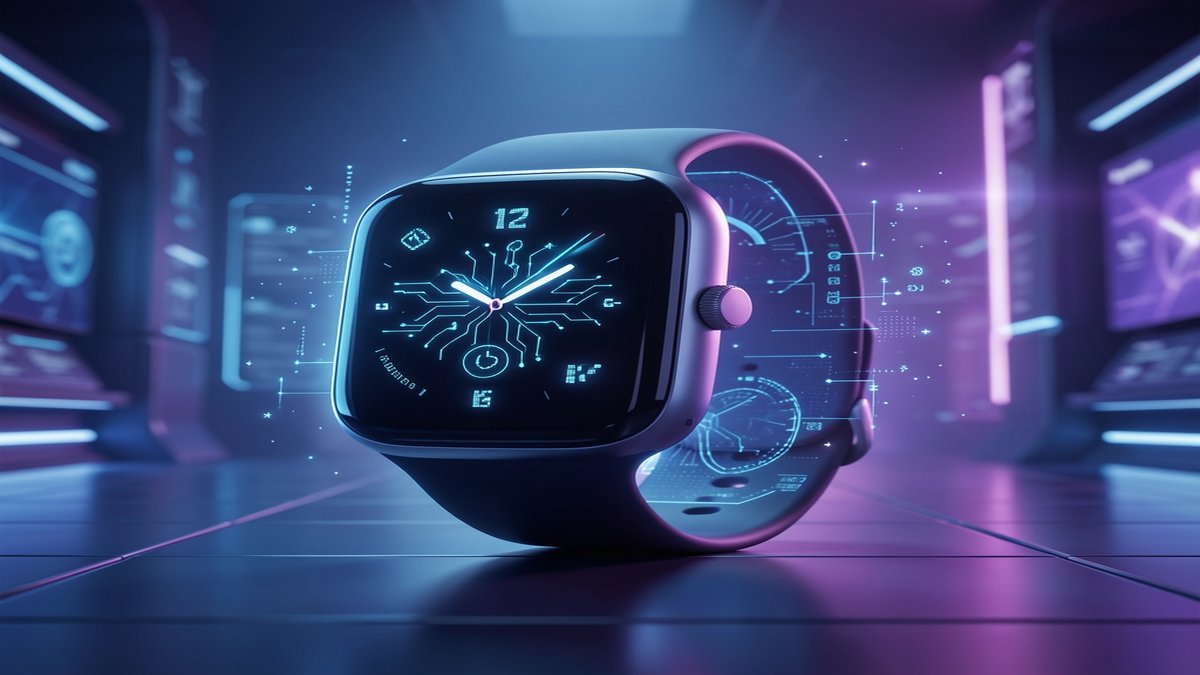
Understanding Fitbit’s AI Health Coach on iPhone: A Comprehensive Guide
Useful Summary
Fitbit’s AI health coach delivers personalized guidance for activity, sleep, nutrition, and stress management directly through the iPhone. By integrating sensor data from a wearable device with on‑device machine‑learning models, the coach interprets trends, sets realistic goals, and offers actionable suggestions in real time. Users receive adaptive prompts such as “Take a short walk after lunch” or “Adjust bedtime to improve sleep quality,” all calibrated to individual patterns and preferences. The system respects privacy by processing most data locally, while optional cloud services enhance long‑term insights. The key takeaway is that the AI health coach transforms raw biometric data into a conversational, goal‑oriented experience, empowering users to make evidence‑based lifestyle changes without needing external apps or manual tracking.
Core Explanation
How the AI Health Coach Works
-
Data Collection
- The Fitbit wearable continuously records metrics such as heart rate, step count, active minutes, sleep stages, and skin temperature.
- Additional inputs include user‑entered information like weight, dietary preferences, and stress indicators (e.g., self‑reported mood). -
Signal Processing
- Raw sensor streams are filtered to remove noise and calibrated against known physiological baselines.
- Processed signals are segmented into meaningful episodes (e.g., a 30‑minute walk, a REM sleep period). -
Feature Extraction
- From each episode, the system derives features such as average heart‑rate variability, cadence, sleep efficiency, and activity intensity.
- These features serve as the quantitative foundation for the coach’s recommendations. -
Machine‑Learning Models
- Lightweight neural networks and decision‑tree ensembles run on the iPhone’s neural engine.
- Models have been trained on large, anonymized datasets to recognize patterns that correlate with health outcomes (e.g., insufficient sleep leading to reduced daily steps). -
Personalization Layer
- The coach maintains a dynamic user profile that updates with each new data point.
- Reinforcement‑learning techniques adjust recommendation frequency and difficulty based on user compliance and feedback. -
Interaction Engine
- Recommendations are delivered through concise, conversational notifications or a chat‑style interface within the Fitbit app.
- Users can accept, modify, or dismiss suggestions, providing implicit feedback that refines future prompts.
Core Components of the User Experience
-
Goal Setting
The coach proposes SMART (Specific, Measurable, Achievable, Relevant, Time‑bound) goals, such as “Add 2,000 steps before 7 p.m. for three consecutive days.” -
Progress Monitoring
Visual dashboards display trend lines for sleep quality, activity levels, and stress scores, allowing users to see the impact of their actions. -
Adaptive Nudges
Context‑aware nudges appear when the system detects opportunities, for example, prompting a brief walk when prolonged sedentary time is identified. -
Educational Insights
Short explanations accompany each recommendation, linking the suggested behavior to physiological benefits (e.g., “A 10‑minute walk can lower cortisol levels”).
Privacy and Data Security
-
On‑Device Processing
The majority of inference occurs locally, minimizing the transmission of personal health data. -
Encrypted Sync
When cloud synchronization is enabled, data is encrypted end‑to‑end, ensuring that only the user’s authorized devices can decrypt the information. -
User Control
Settings allow users to opt out of specific data categories or disable the AI coach entirely, preserving autonomy over personal health information.
What This Means for Readers
For Individual Users
-
Simplified Self‑Management
The AI coach replaces manual logging with automated, context‑aware guidance, reducing the cognitive load associated with health tracking. -
Motivation Through Personalization
Because suggestions adapt to real‑time behavior, users experience higher relevance, which research shows improves adherence to lifestyle changes. -
Holistic Insight
Integrated analysis of activity, sleep, and stress provides a more complete picture of well‑being than isolated metrics.
For Health‑Focused Professionals
-
Data‑Driven Coaching Tool
Fitness trainers and wellness coaches can leverage the coach’s analytics to augment client programs, offering evidence‑based recommendations without duplicating effort. -
Remote Monitoring
The platform’s secure data sharing enables clinicians to review trends remotely, supporting preventative care and early intervention.
For Developers and Technology Providers
-
Model Integration Blueprint
The architecture demonstrates how on‑device AI can be combined with wearable sensor streams, offering a reference for building similar health‑focused assistants. -
Scalable Privacy Model
By prioritizing local inference and encrypted sync, the solution illustrates a privacy‑first approach that complies with emerging data‑protection standards.
Real‑World Use Cases
-
Sedentary Workplace
An office employee receives a prompt to stand and stretch after 60 minutes of continuous sitting, reducing musculoskeletal strain. -
Sleep Improvement
A user struggling with late‑night screen exposure gets a reminder to dim lights and engage in a wind‑down routine, leading to higher sleep efficiency. -
Stress Management
When heart‑rate variability indicates elevated stress, the coach suggests a brief breathing exercise, helping the user regain calm before a meeting.
Historical Context
The concept of a digital health coach emerged from early attempts to digitize fitness tracking, initially limited to step counters and basic calorie estimates. Over time, advances in wearable sensor technology—such as optical heart‑rate monitoring and accelerometer‑based motion detection—provided richer physiological data streams. Parallel progress in machine‑learning algorithms enabled the transformation of these raw signals into meaningful patterns. Early health‑assistant applications relied heavily on cloud processing, raising concerns about latency and privacy. The shift toward on‑device AI, powered by increasingly capable mobile processors, addressed these concerns and paved the way for personalized, real‑time coaching experiences. Integration of conversational interfaces further refined user interaction, moving from static dashboards to dynamic, dialogue‑driven guidance.
Forward‑Looking Perspective
Future iterations of AI health coaching are poised to incorporate multimodal inputs such as continuous glucose monitoring, environmental sensors, and even mental‑health biomarkers derived from voice or facial analysis. As computational efficiency improves, more sophisticated predictive models—capable of forecasting health events days or weeks in advance—will become feasible on consumer devices. Challenges remain in ensuring algorithmic fairness across diverse populations and maintaining transparency so users understand the rationale behind each suggestion. Ongoing research into federated learning promises to enhance model accuracy while preserving individual privacy. Ultimately, the convergence of richer data sources, advanced AI, and seamless device integration will deepen the coach’s role as a proactive partner in lifelong health management.